+86 13352034596
 info@tianjinqilian.com
 No. 8, Xingliang Road, Daliang Town, Wugong Di..
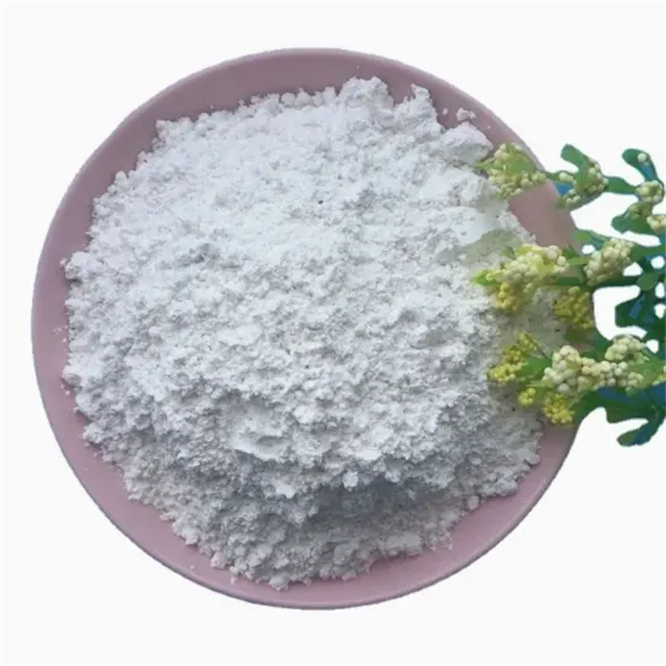
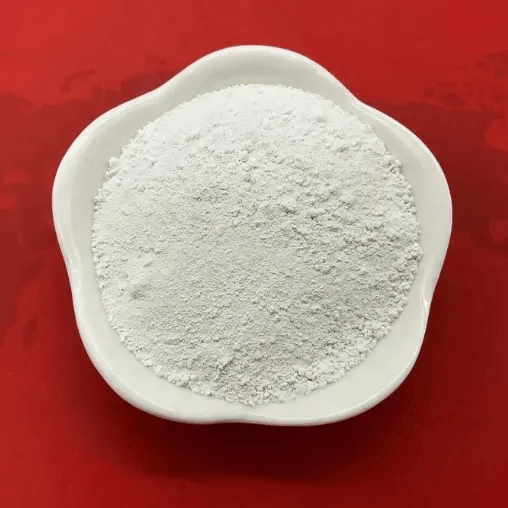
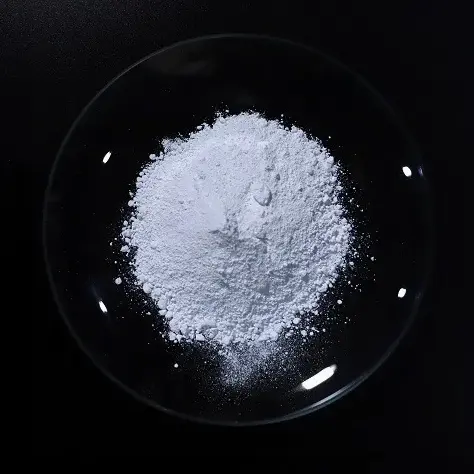

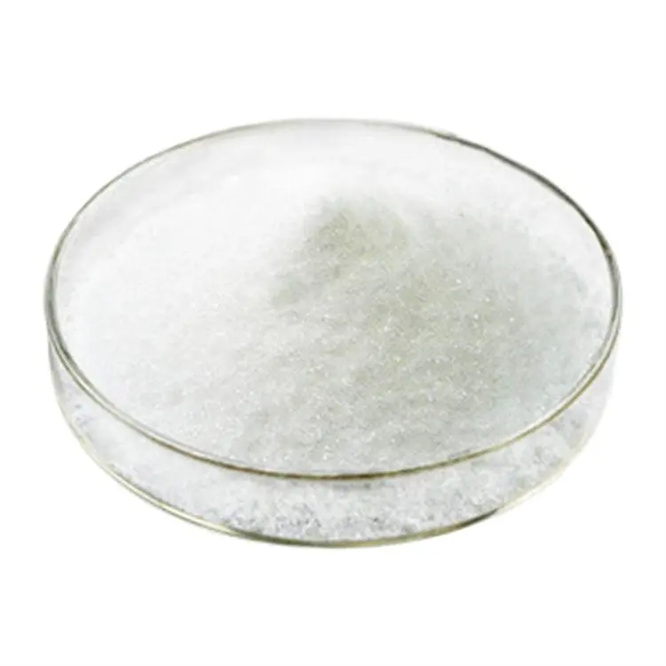
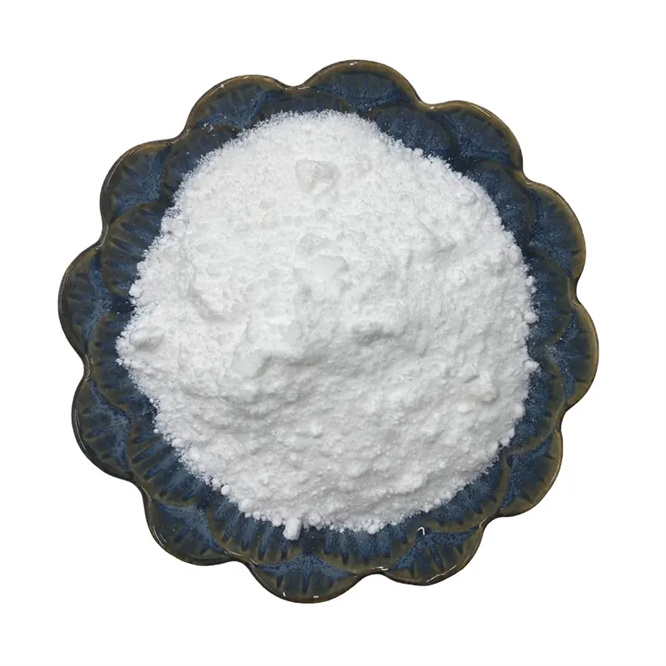
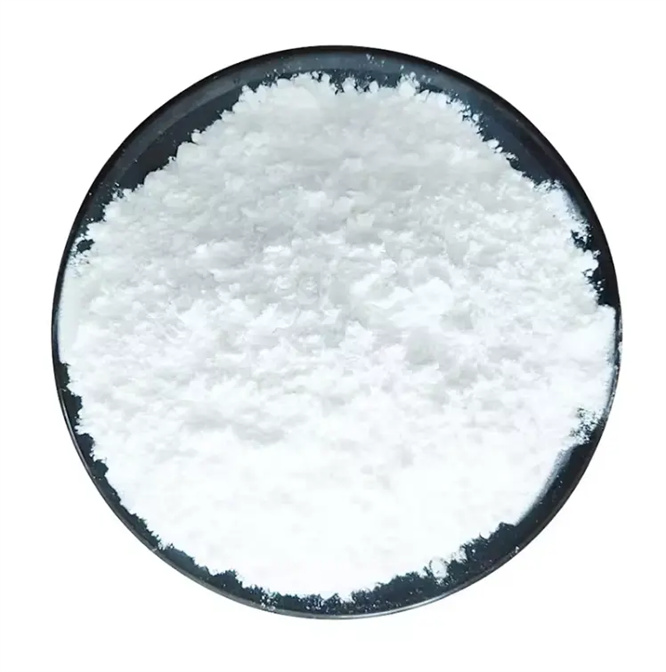
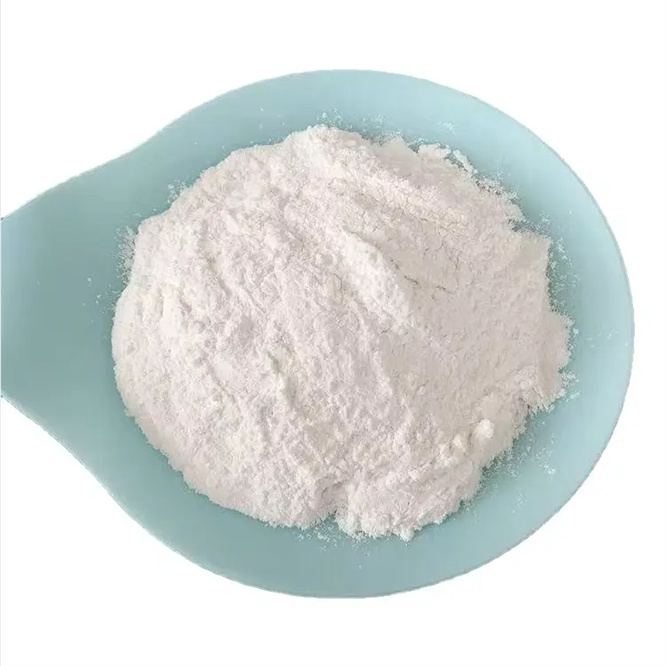
Anatase is a crystal form of titanium dioxide that appears blue or black, known for its high optical performance and low density. It is primarily used in photocatalysis, solar cells, and coatings. Due to its excellent properties, anatase is effective in degrading organic pollutants and is also used as a white pigment in coatings and in high-performance ceramics.
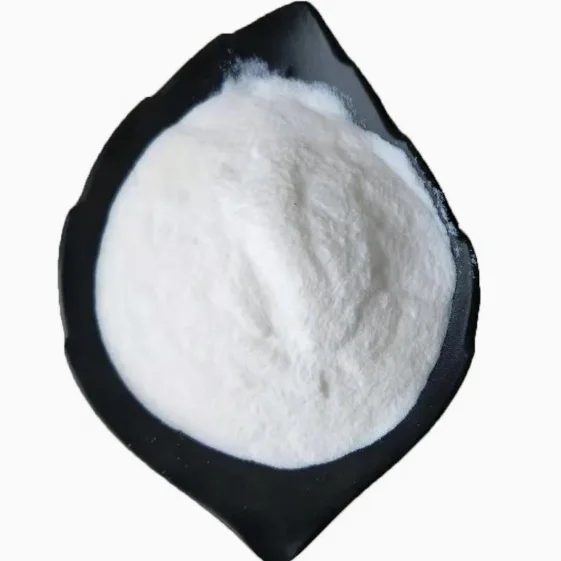
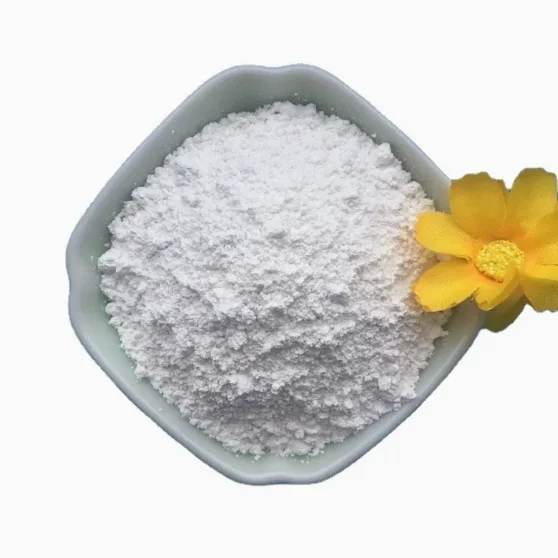
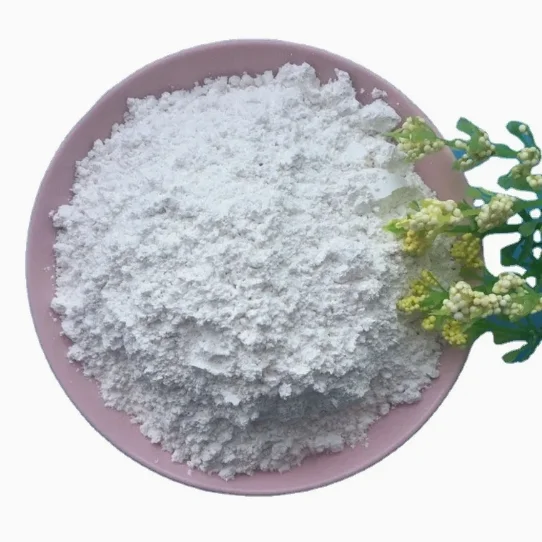
| Item | Unit | Value |
| Activated TiO2 | % | 98min |
| Tinting Power (compared with standard sample) | % | 100min |
| Whiteness( compare with sample) | Not lower than | |
| Oil absorption | g/100g | 26max |
| PH Value | 6.5-8.0 | |
| Residue on sieve 45 um | % | 0.5max |
| Matter soluble in water | % | 0.5max |
| Matter volatile at 105ºC | % | 0.5max |
Application
Photocatalysis: It is used as a photocatalyst to decompose organic pollutants and for water splitting to produce hydrogen.
Solar Cells: Anatase is utilized in photovoltaic applications to enhance the efficiency of solar cells.
Coatings and Pigments: It serves as a white pigment in paints and coatings due to its excellent hiding power and light stability.
High-Performance Ceramics: Anatase is used in producing high-strength and durable ceramic materials.
Optoelectronic Materials: Its optical properties make it valuable in manufacturing optoelectronic devices and sensors.
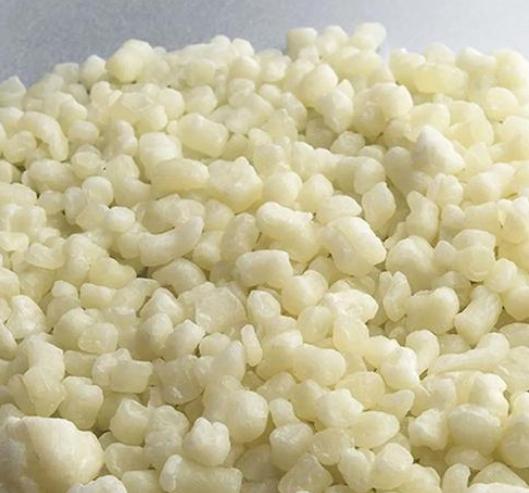
We provide al kinds of soap noodles , like TFM 50%, 60%, 65%,70% , 72%, 76%,78% , with good quality for making laundry soap bars, toilet bars , etc . Colors: light brown or off white ,or others ...
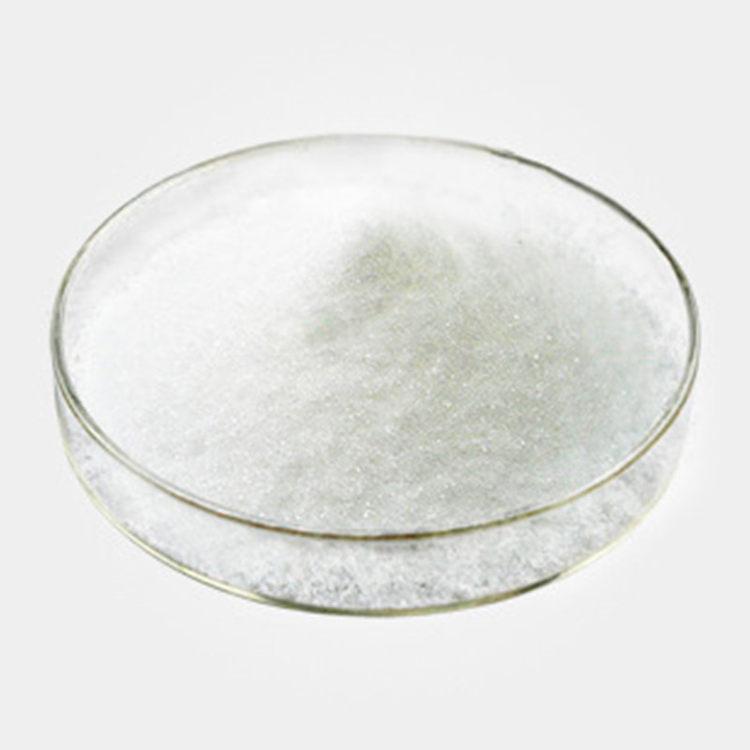
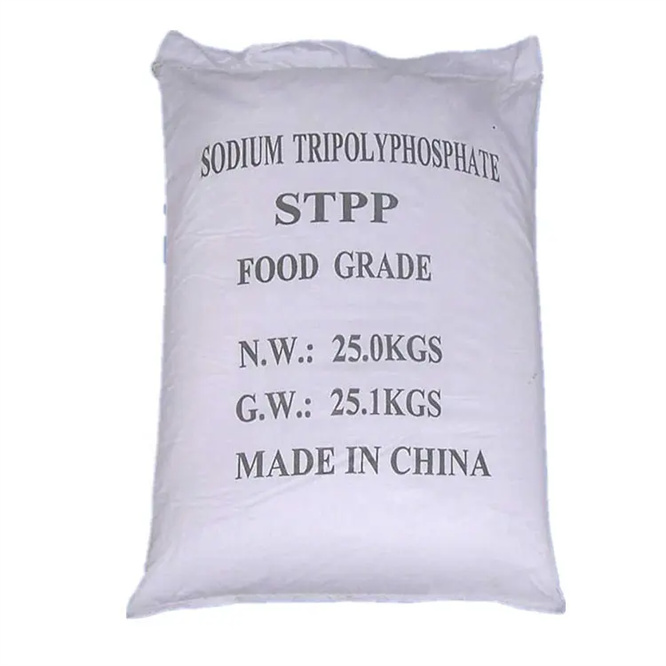
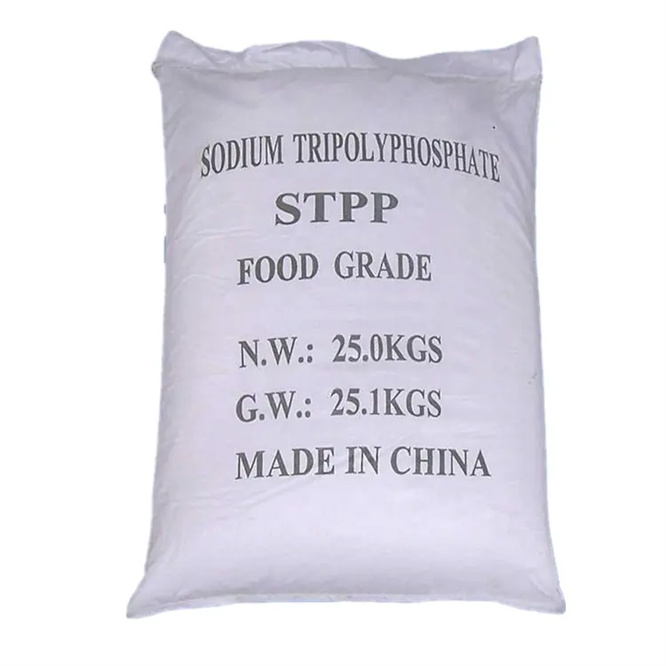
CAS No. 7601-54-9 Purity 98% MF Na3PO4 Grade Standard Industrial Grade ...
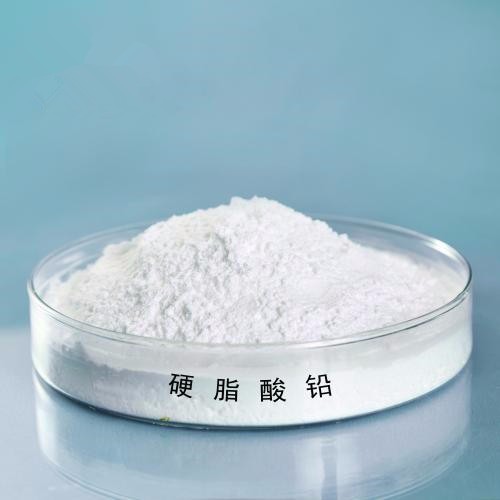
CAS No. 637-12-7 Purity 99% Place of Origin China Type lead distearate MF Pb(C17H35COO)2 EINECS No. 214-005-2 Color White Color Storage Cool Dry Place Type PVC stabilizer Classification Chemical Auxiliary Agent ...
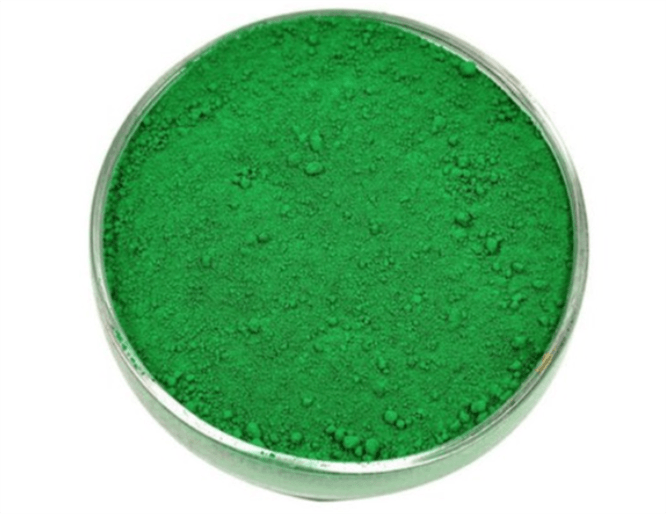
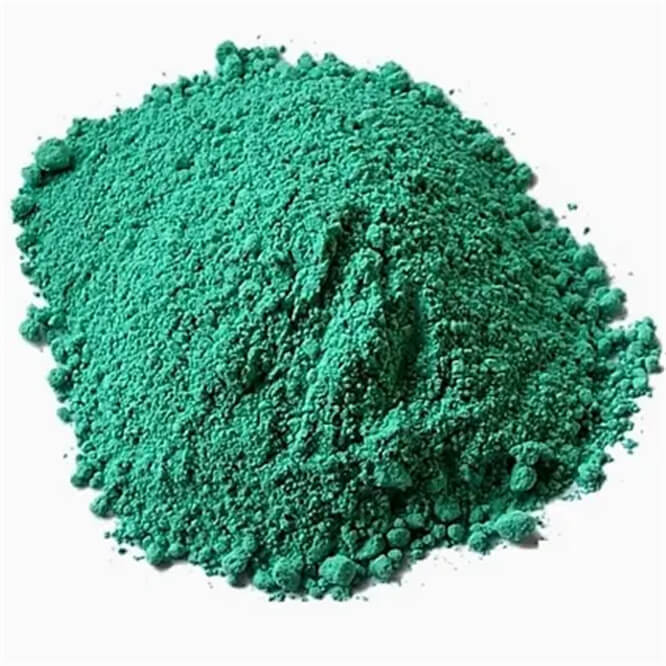
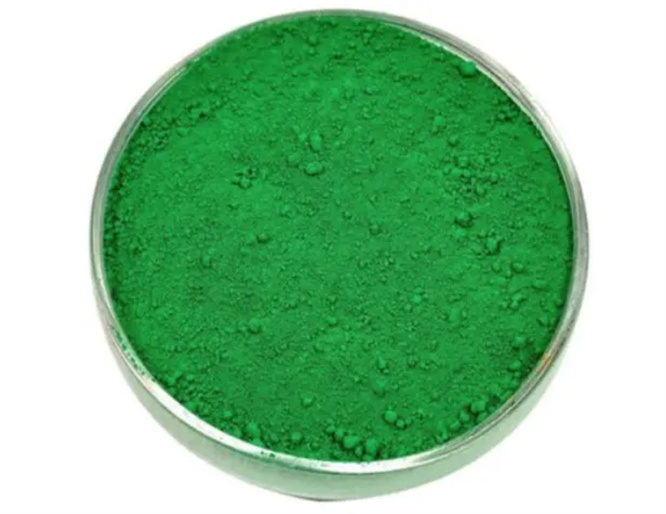
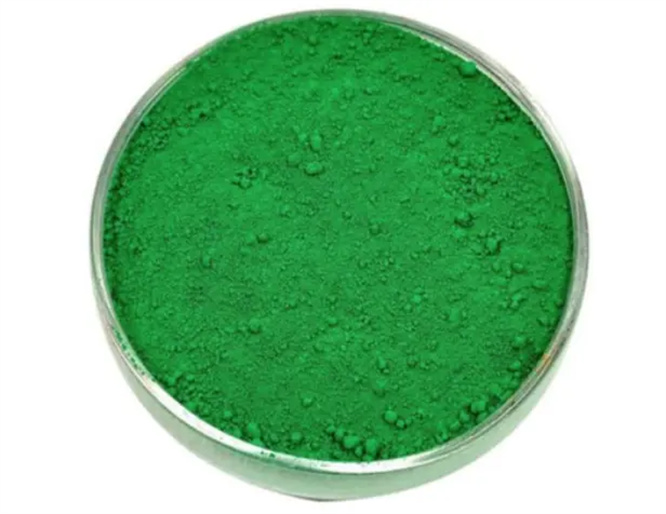
1. Green powder 2.Purity above 30% 3.SEM: ≤200 nm 4. D90: ≤250 nm Applicable fields 1. Coloring of ceramics and enamels 2. Analytical reagents, catalysts 3. Paint 4. Catalyst 5. Electronic materials ...
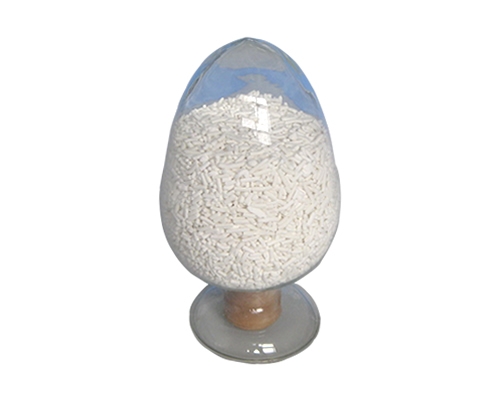
CAS No. 95-33-0 Purity 96% Place of Origin China Type rubber accelerator Usage Coating Auxiliary Agents, Rubber Auxiliary Agents Classification Chemical Auxiliary Agent MF C13H16N2S2 EINECS No. 202-411-2 application Tires rubber shoe rubber hoses tape cables ...